Why Your Hydrangeas Aren’t Blooming (And 7 Easy Fixes That Actually Work)
There’s nothing more disappointing than planting hydrangeas with visions of big, cloud-like blooms… only to end up with a leafy green bush and zero flowers.
If that’s you, you’re just missing a few key details that make all the difference.
The good news?
Most hydrangea bloom issues are incredibly easy to fix once you know what to look for.
Today I’m walking you through the 7 most common reasons your hydrangeas aren’t blooming—and exactly what to do so you can enjoy those full, beautiful blooms this season.
Post may contain affiliate links for your convenience.
Why Your Hydrangeas Aren’t Blooming
The first issue most people run into for why hydrangeas aren’t blooming is properly identifying the flower.
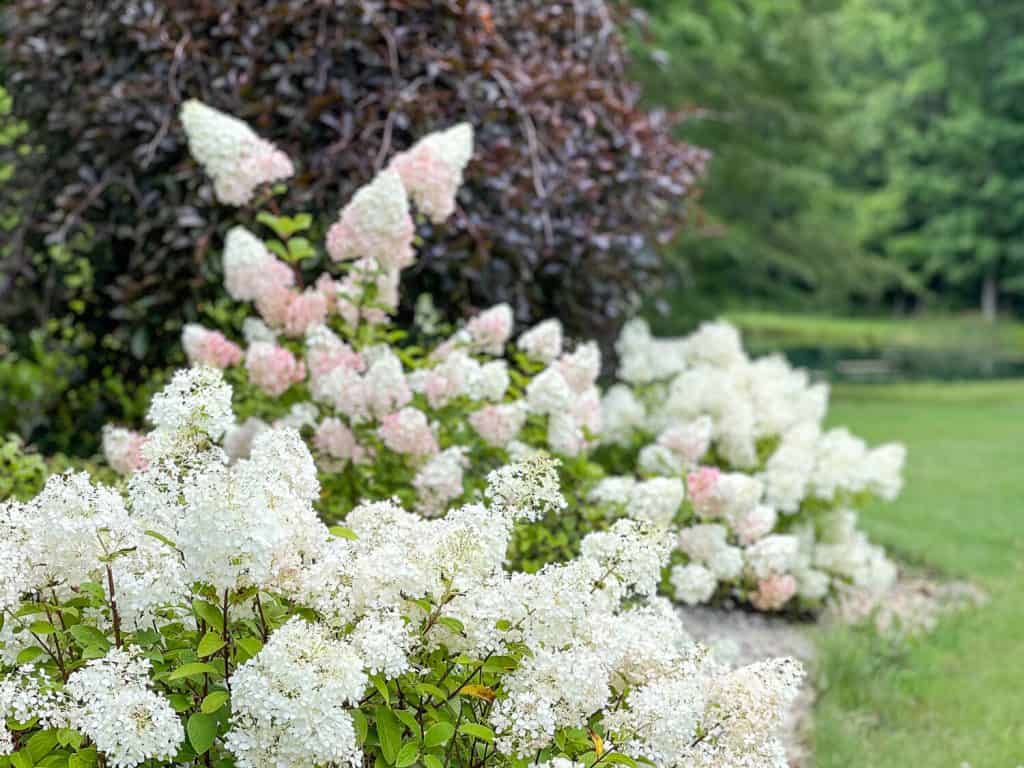
Each type of hydrangea needs different care. Some of the most common hydrangea varieties are:
- panicle (traditional cone shape)
- smooth (large cloud like blooms)
- big leaf mop head (what New England is famous for)
- oak leaf (oak-like foliage)
- climbing (vine with lace-cap blooms)
- mountain (interesting bloom structure)
For the purposes of this article, I’m going to focus on panicle (mid summer-fall bloomer) and smooth hydrangeas (early summer-fall bloomer) grown in zone 6a.
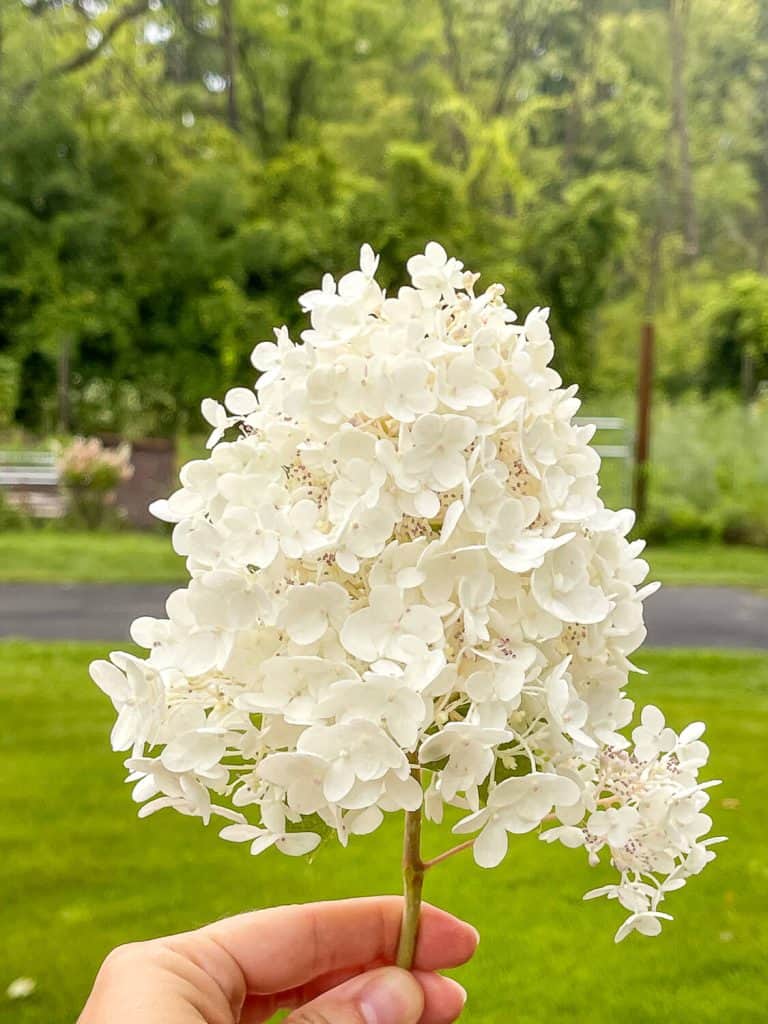
These are most commonly used and, even within their hydrangea species, they offer similar looking varieties.
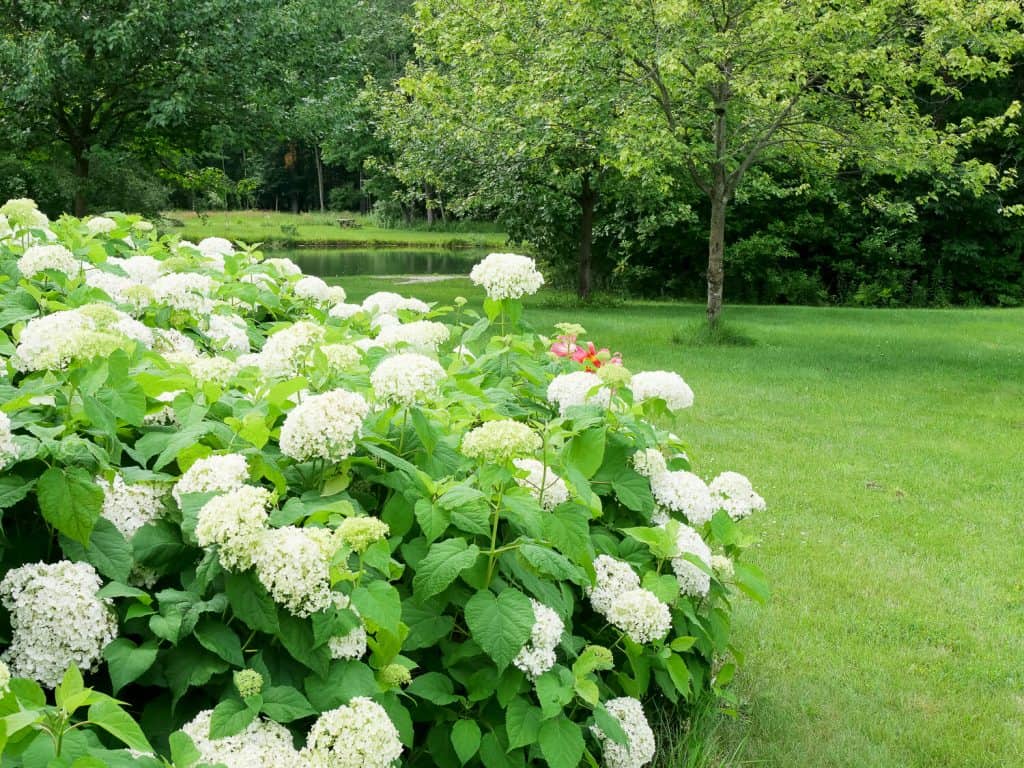
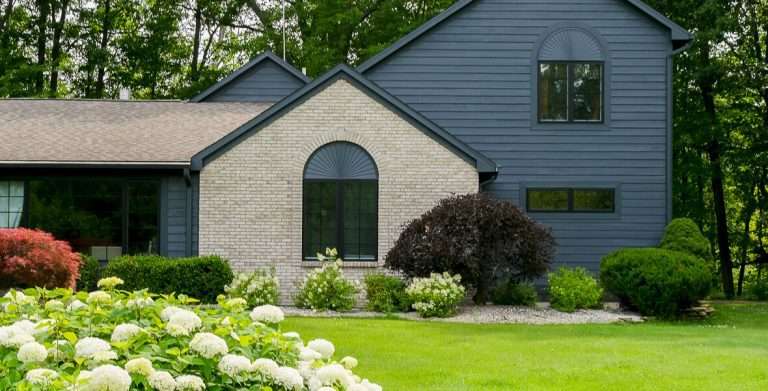
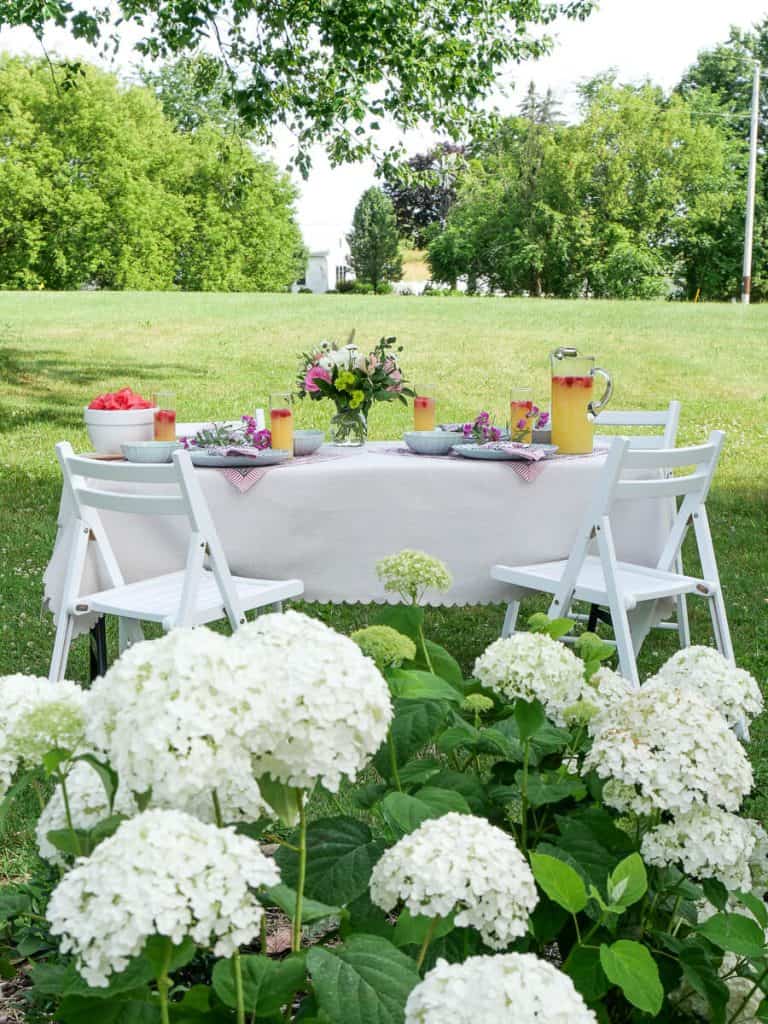
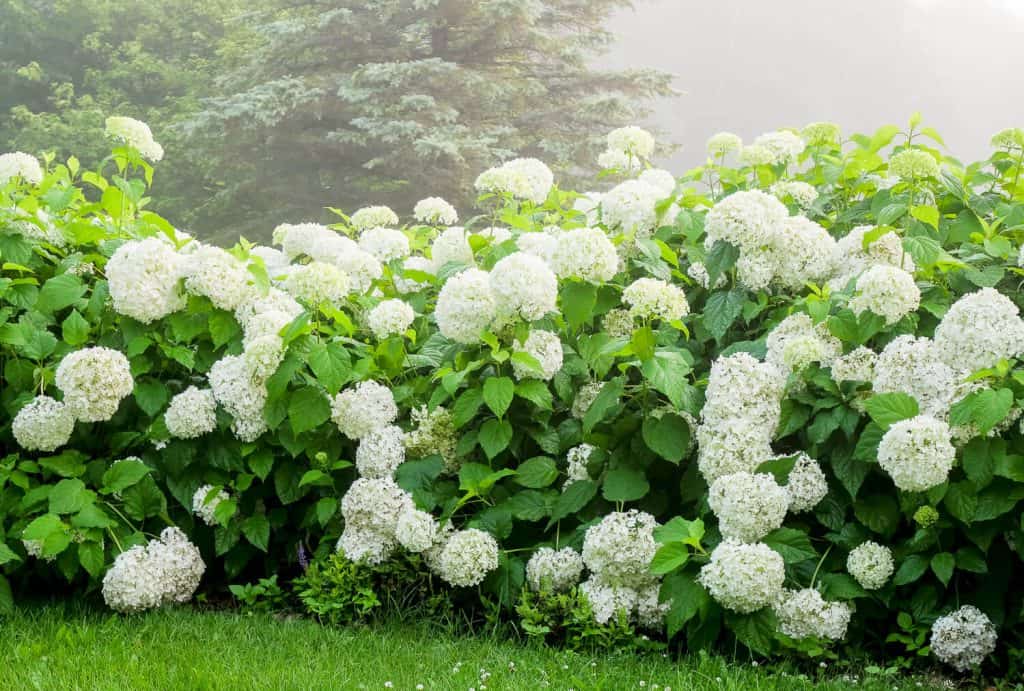
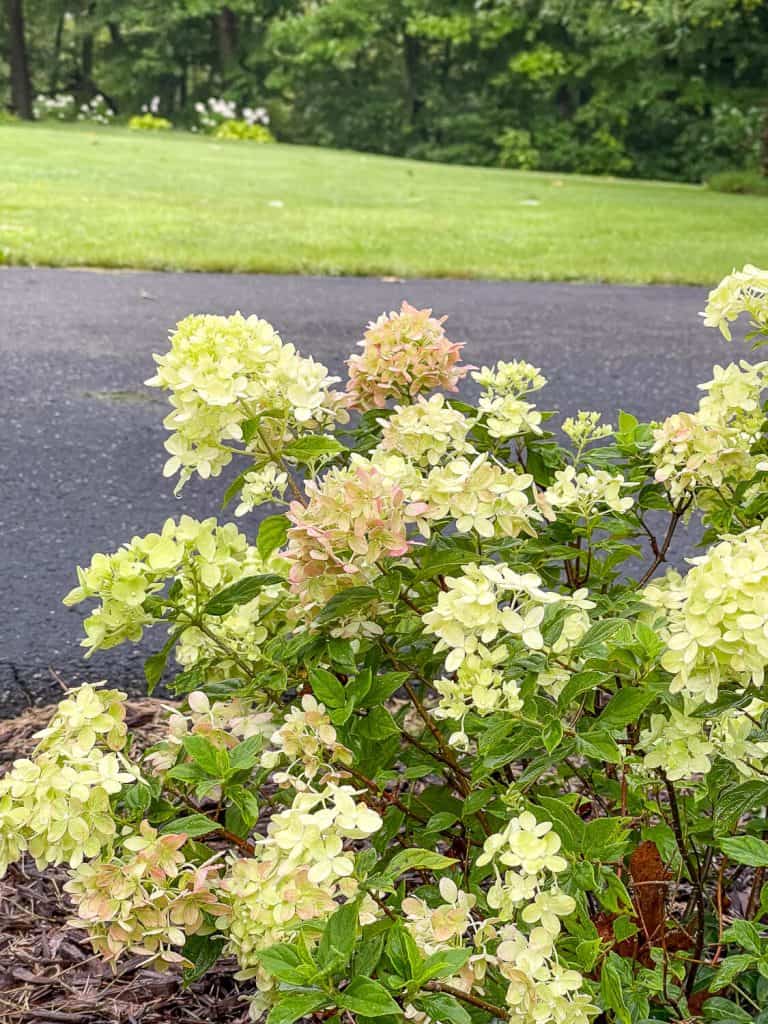
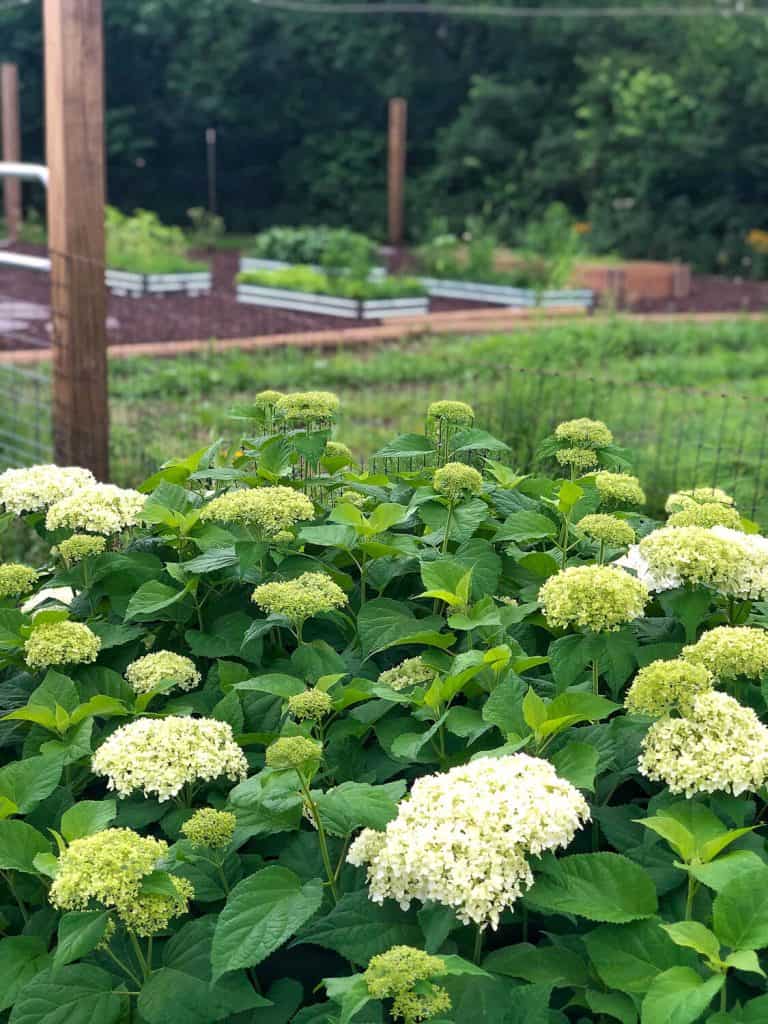
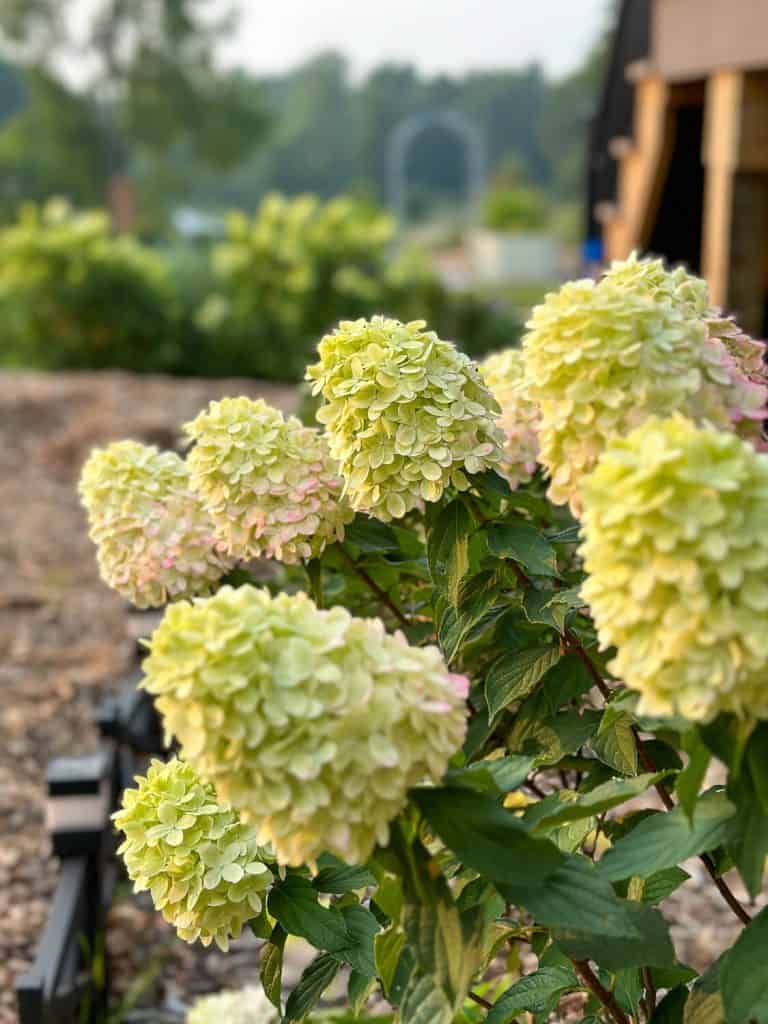
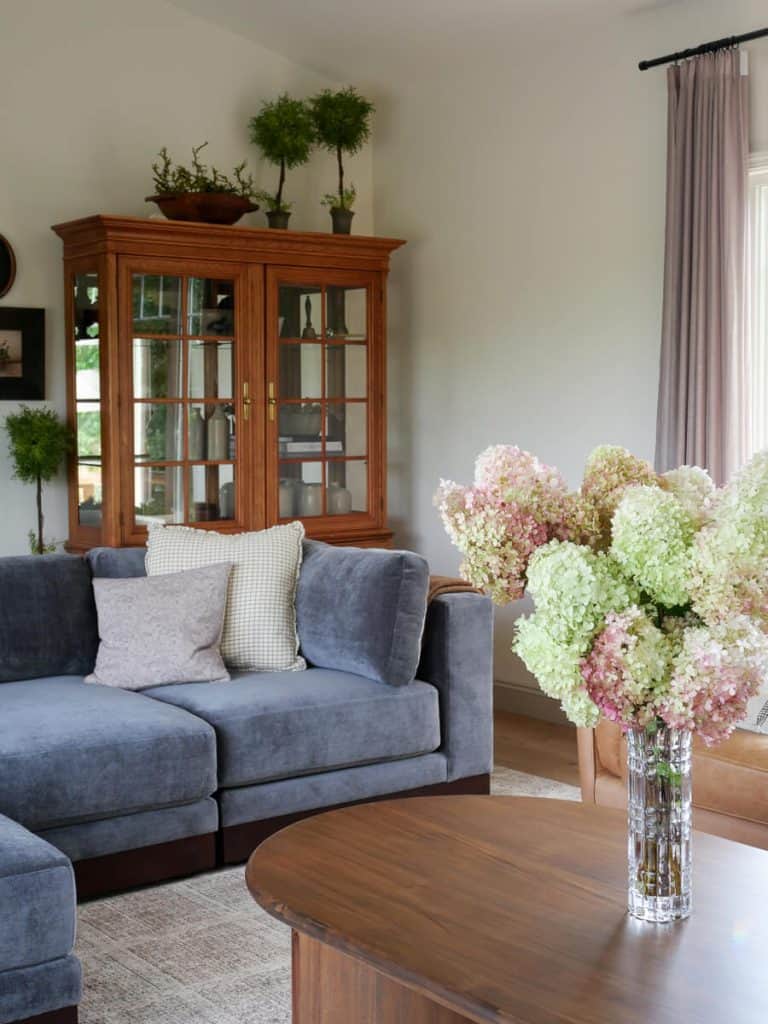
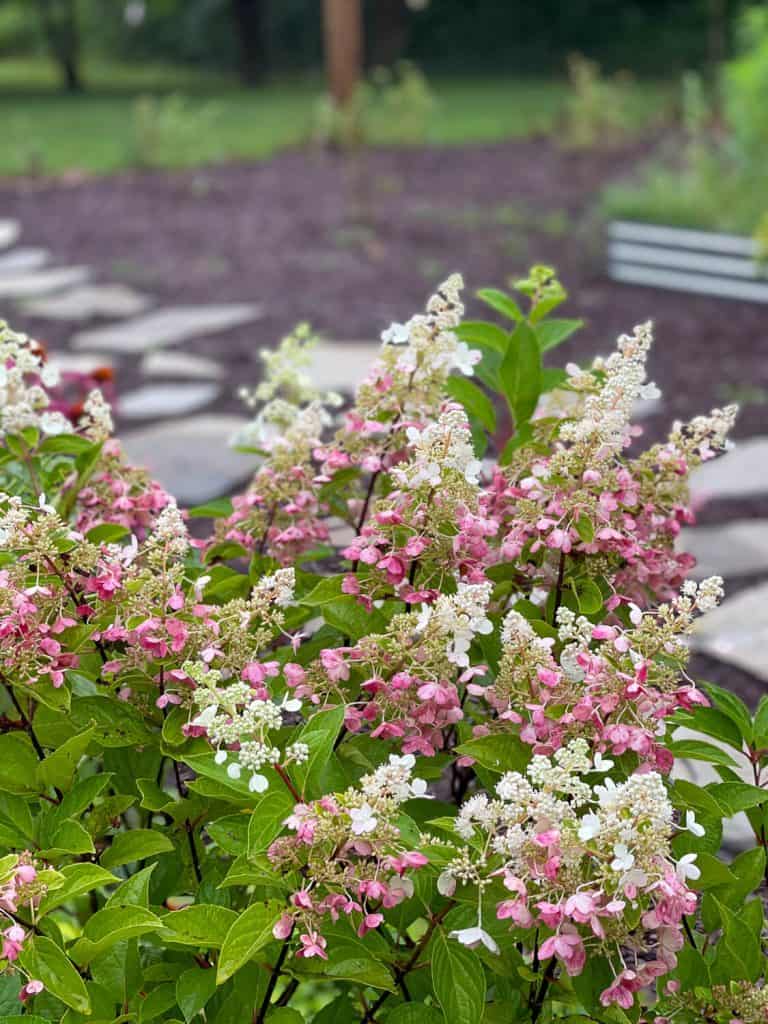
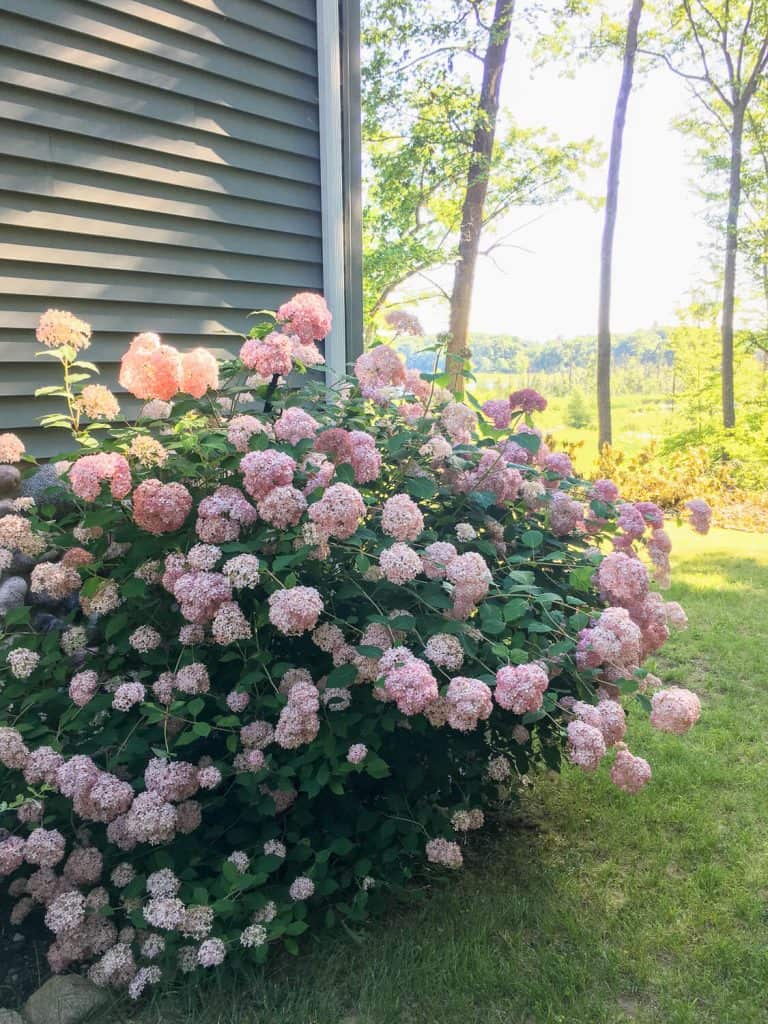
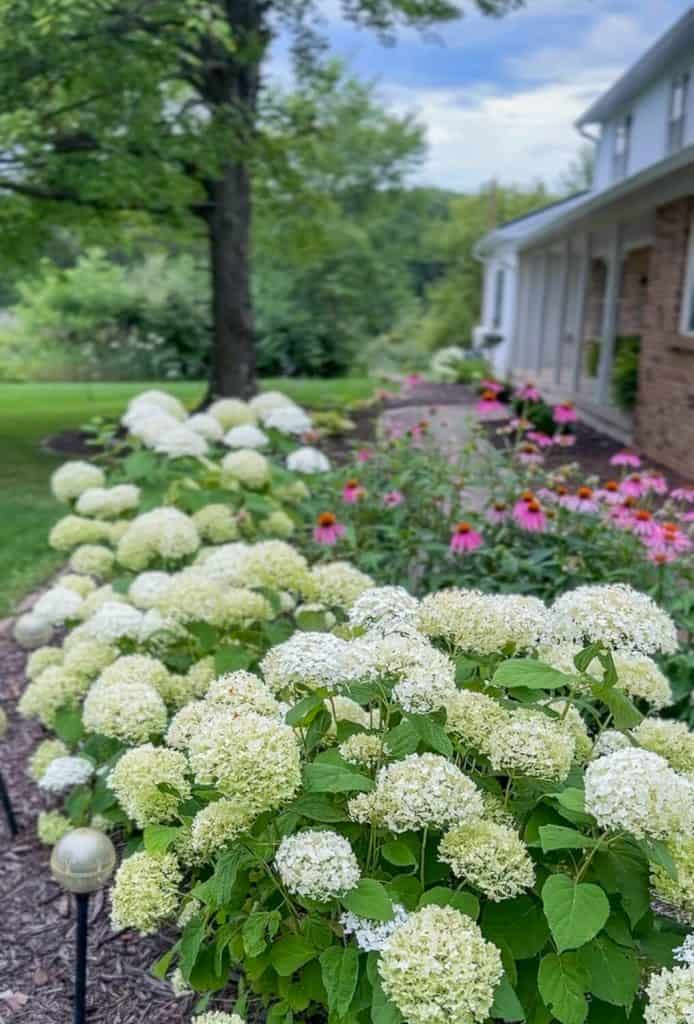
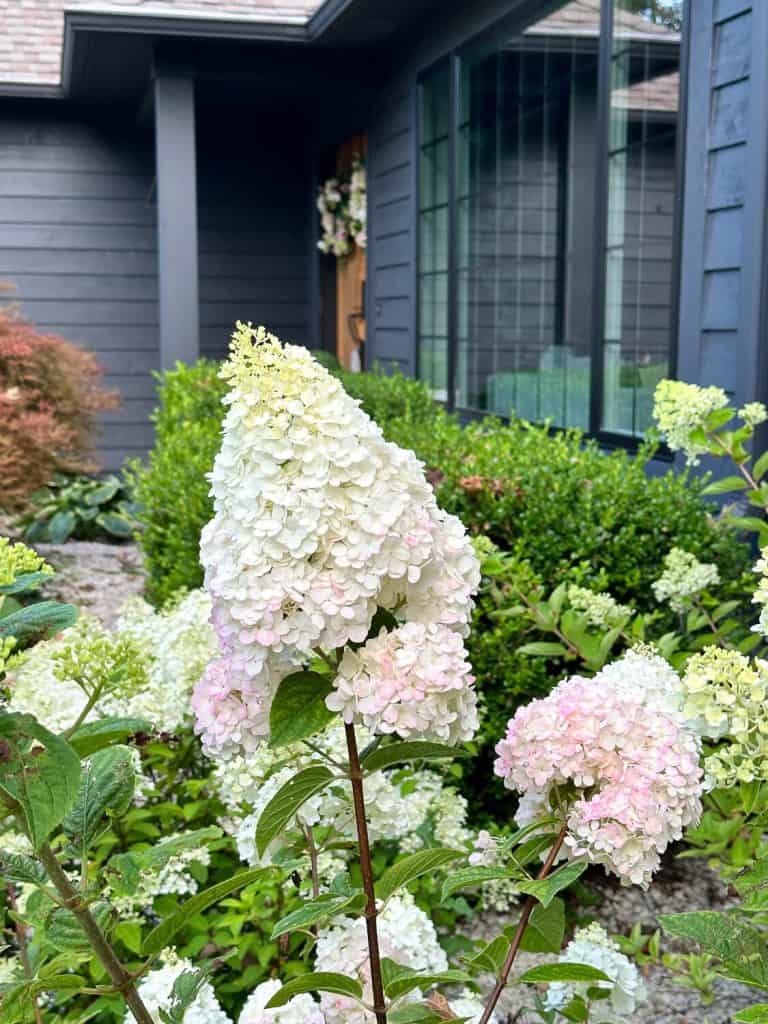
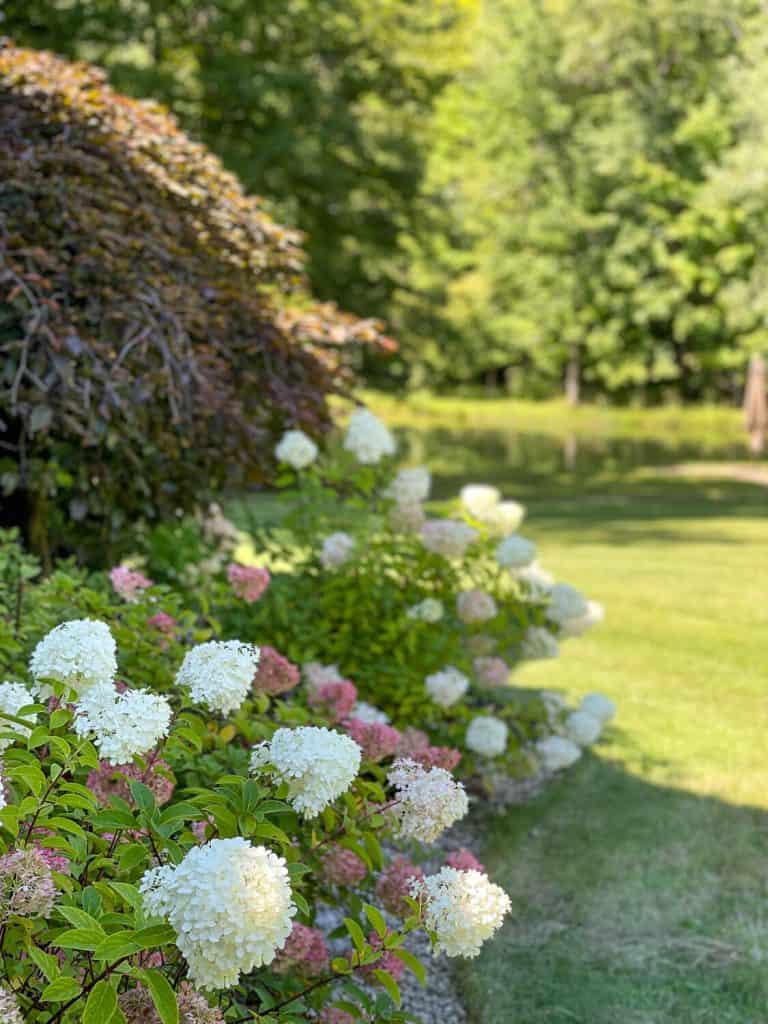
The images I’m including throughout the post are from my own gardens at our last three homes! You’ll find their variety noted under each photo.

20 years of caring for hydrangeas in zone 6a has certainly taught me some tricks. And, these are my all time favorite varieties.
- Limelight (Panicle, 6-12 ft tall)
- Quick Fire (Panicle, 6-10 ft tall)
- Vanilla Strawberry (Panicle, 6-8 ft tall)
- Limelight Prime (Panicle, 4-6 ft tall)
- Little Lime (Panicle, 3-5 ft tall)
- Bobo (Panicle, 2-3 ft tall)
- Incrediball (Smooth, 3-4 ft tall)
- Annabelle (Smooth, 3-5 ft tall)
- American Lace, Pink (Smooth 4-5 ft tall)
1. You’re Pruning at the Wrong Time
This is by far the most common mistake.
Some hydrangeas bloom on old wood (last year’s growth), while others bloom on new wood (this season’s growth). If you prune at the wrong time, you could be cutting off all your future blooms without realizing it.
Fix
- Old wood varieties (like bigleaf hydrangeas): prune right after they bloom
- New wood varieties (like panicle or smooth hydrangeas): prune in late winter or early spring
If you’re not sure what you have, the safest move is to skip pruning for a season and observe when it blooms. This way, you can tell if it is blooming on new or old wood.
Smooth Hydrangeas
For smooth hydrangeas, keep the old blooms in tact over the winter for interest.
In March/April (right after you see the first couple of leaf buds) cut the stems to about 12-18″ above the ground with a battery operated hedge trimmer. This makes the task much easier.
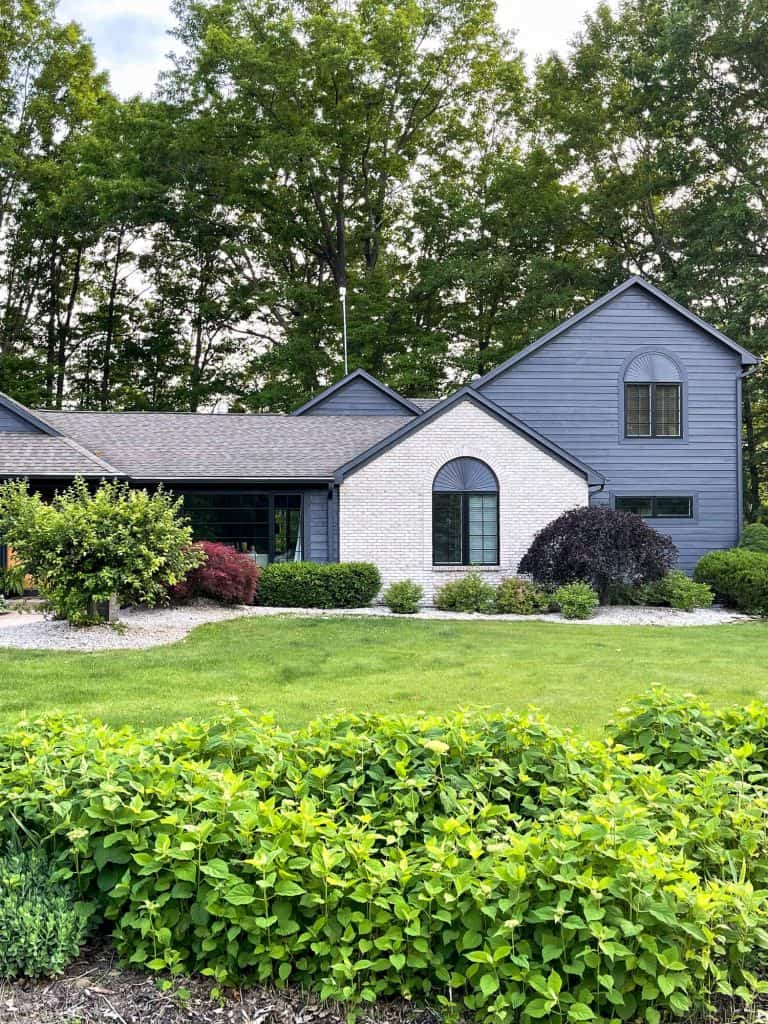
If you have a very young plant, I like to keep the stems a touch taller for the first few years to give some stability to the plant. Those old stems will grow leaves, which feed the plant the nutrients it needs to grow strong.
Panicle Hydrangeas
For panicle hydrangeas, you should also keep the old blooms in tact over the winter.
In the fall, these blooms can deepen to beautiful reds, depending on your variety, and fade to a lovely amber for the winter.
In early March, simply snip off the top of the old bloom. You don’t need to bring these low to the ground. Though you can if needed.
You can also prune back any inner spindly branches to give it better shape and air flow as these hydrangeas tend to get very large and bushy.
2. Your Hydrangeas Aren’t Getting Enough Sun
Hydrangeas love that soft, filtered light—but too much shade will leave you with lots of leaves and no blooms (or small blooms).
Fix
- Aim for 4–6 hours of sunlight daily
- Prioritize morning sun + afternoon shade
- Trim back nearby trees or plants if needed
I’ve found that smooth hydrangeas tolerate shade more easily than panicle. However, too much shade will produce weak stems and smaller blooms.
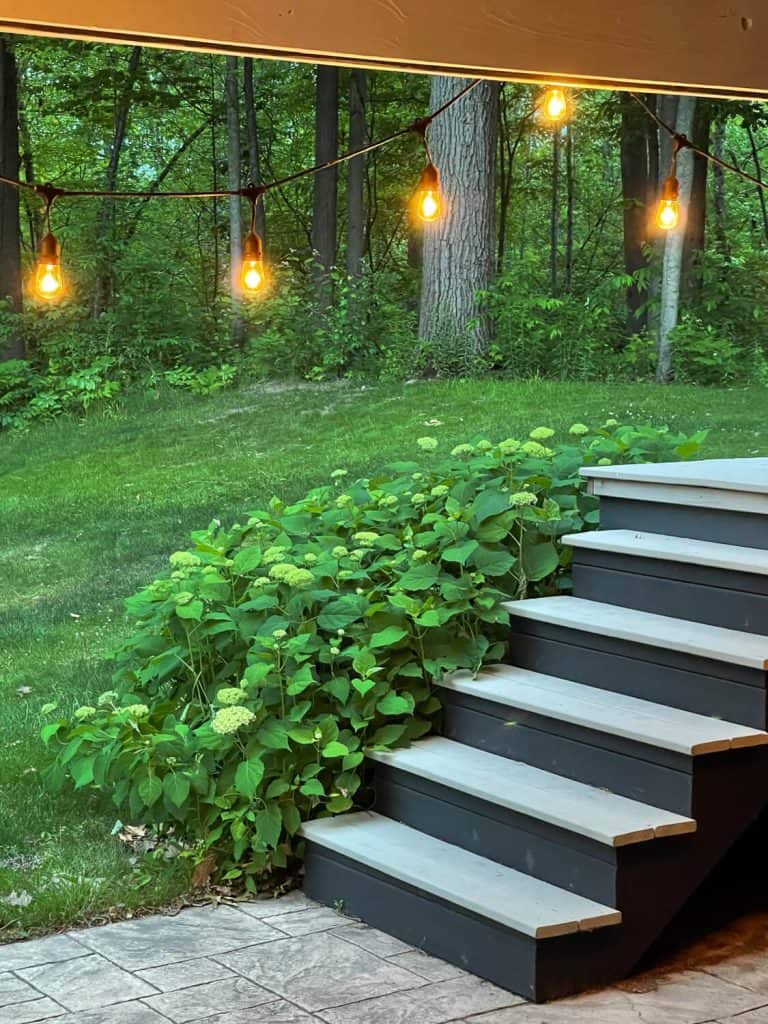
Vice versa, panicle tolerate full sun better than smooth. In the perfect setting, my formula would be:
- Smooth: 4-6 hours of morning light with afternoon shade
- Panicle: No more than 4 hours of shade, up to full sun
3. Winter Damage Killed the Buds
If you live in a colder climate (hello, Midwest winters), your hydrangea buds may have been damaged before they ever had a chance to bloom.
This especially affects old wood varieties.
Fix
- Add a thick layer of mulch around the base in late fall
- Use burlap wraps in harsher conditions
- Choose more cold-hardy varieties if this is a recurring issue
4. You’re Using the Wrong Fertilizer
Too much nitrogen = lush green leaves, but no flowers.
It’s a very common mistake, especially if you’re using a general lawn fertilizer.
Fix
- Switch to this low-nitrogen, bloom-boosting fertilizer
- Look for something with higher phosphorus (the middle number)
Additionally, make sure you are applying your fertilizer in the proper month and with the right method. I generally like to apply fertilizer in early spring and then again before mid-July.
Mix it into the soil according to the directions on your specific fertilizer. If you simply throw it on top of the soil you can easily burn the plant or have it be ineffective.
Additionally, you may need to amend your soil. If it is overly sandy or clay-based, you’ll want to add compost and organic matter to build it into a rich, moist, and well-draining soil.
5. Inconsistent Watering Is Stressing the Plant
Hydrangeas are known for being a little dramatic when it comes to water—and honestly, I respect it.
If they’re too dry (or swinging between dry and soaked), they’ll focus on survival instead of blooming. Smooth and big leaf hydrangeas are particularly finicky.
Fix
- Water deeply 2–3 times per week
- Add mulch to retain moisture
- Keep soil consistently damp, not soggy
- Plant more finicky varieties in a location that gets afternoon shade so they don’t dry out too quickly
6. Your Plant Is Still Young
If you planted your hydrangea recently, it may just need time to establish strong roots before it starts blooming heavily.
Fix
- Give it 1–2 growing seasons
- Focus on healthy growth now—blooms will follow
7. You Chose the Wrong Variety for Your Zone
Some hydrangeas just aren’t built for colder climates—and that can mean unreliable blooms year after year.
Fix
Look for dependable bloomers like the main smooth and panicle hydrangeas and their variations:
- Annabelle hydrangeas (super hardy, huge white blooms)
- I’ve converted to Incrediball Hydrangeas for the same look as Annabelles but with sturdier, non-flopping, stems.
- Limelight hydrangeas (great for structure + consistent flowering)
- I like Little Lime and Limelight Prime as variations for smaller areas that can’t handle 12 foot tall Limelights.
A Quick Hydrangea Care Checklist (Save This!)
If you want a simple reset, start here:
- ✔ 4–6 hours of sunlight (morning preferred)
- ✔ Prune based on your hydrangea type
- ✔ Water deeply (don’t let it dry out)
- ✔ Use bloom-friendly fertilizer and amend the soil if needed
- ✔ Protect from harsh winter conditions
How to Get Bigger, Fuller Blooms This Season
Once your plant is actually blooming, a few small upgrades can take it from “nice” to wow:
- Improve your soil with compost each spring
- Space plants properly for airflow and growth
- Don’t fall for myths—like coffee grounds magically fixing everything (they don’t)
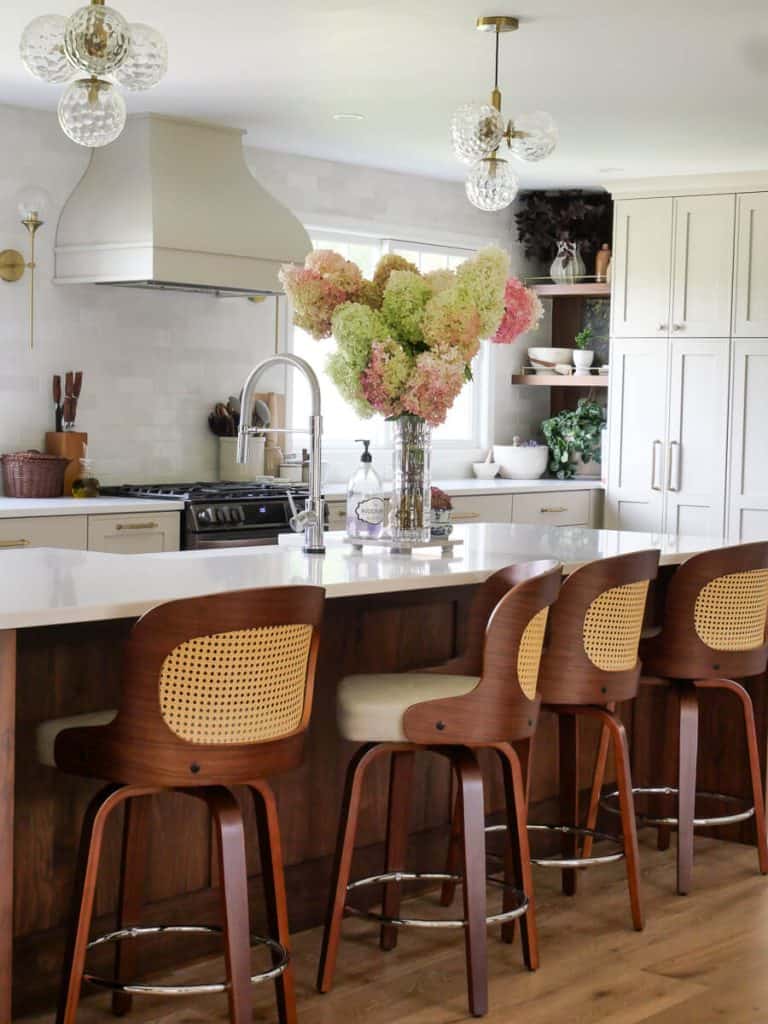
Think of hydrangeas as part of your overall outdoor space—not just a plant, but a feature that adds softness, fullness, and that lived-in beauty we all love.
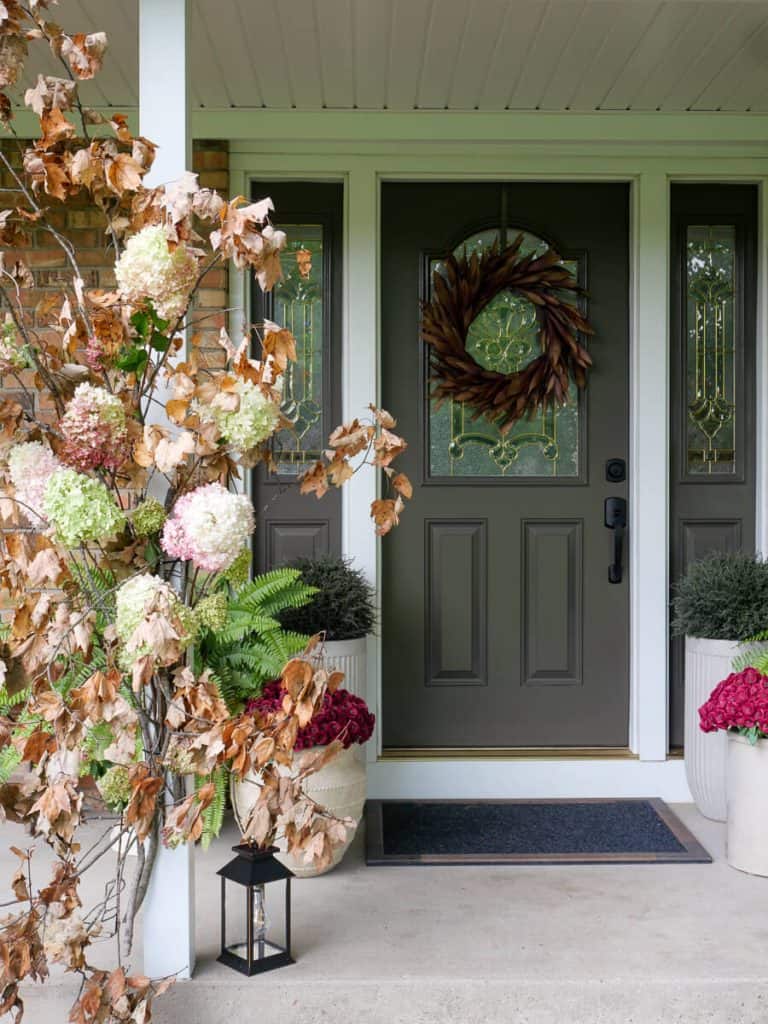
Additionally, plant around your hydrangeas to complement their bloom time so you always have something blooming and visual interest lower to the ground.
The Only Gardening Tools Absolutely Necessary
Now, I am a minimalist at heart when it comes to gadgets and gear. But I do have a small list of items I couldn’t do without in the garden.
- Quality gloves to protect my hands from thorns and creepy crawlies
- A dump wagon that is so much easier to handle than a wheelbarrow
- Electric hedge trimmer for all my smooth hydrangeas and early spring perennial clean up
- Extendable loppers for tall bushes and trees
- Sharp pruning sheers that don’t damage stems
- Hori knife for dividing perennials and weeding
- Hoe so I don’t break my back
- Spearhead spade to slice through sod and clay much easier than a traditional shovel
I can pretty much make do with these items for the majority of my gardening! If you want to browse some of my other favorite gardening essentials, I’ve rounded them all up here.
Final Thoughts
If your hydrangeas aren’t blooming, it’s almost always one of these simple issues—and the best part is, they’re all fixable.
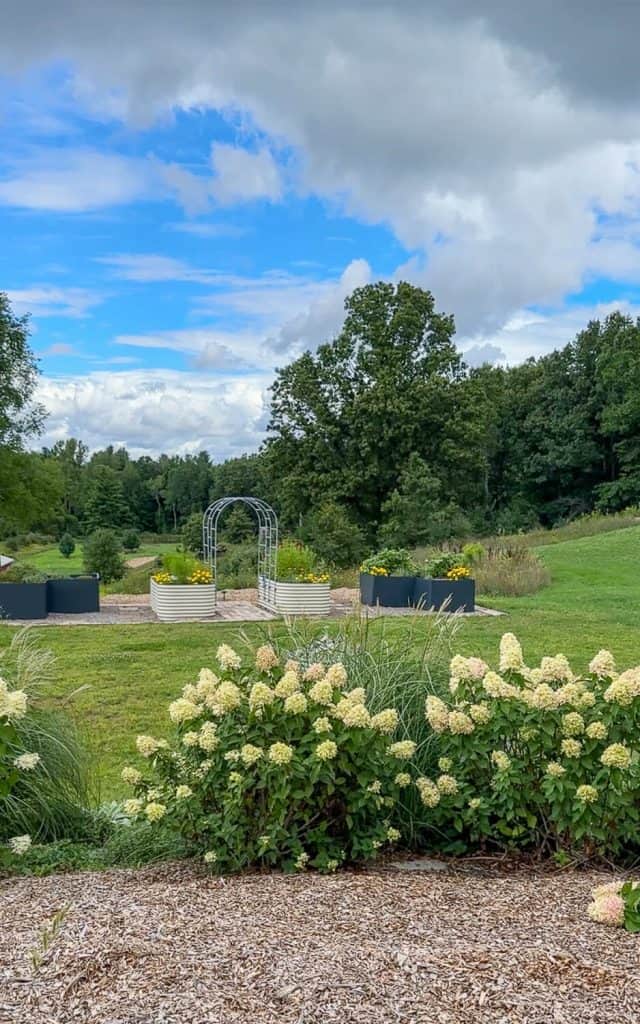
A few small changes now can completely transform your yard by mid-summer.
And truly, there’s nothing better than walking outside and seeing those full, beautiful blooms framing your home—it’s one of those little things that makes your space feel finished and welcoming.
If you’re working on your outdoor spaces this season, you might also love:
- Spring front porch styling ideas
- Budget-friendly landscaping updates
- How to create a cohesive outdoor living space
Thanks for stopping by the blog today! Make sure to subscribe to access all my free guides. Plus, you can follow along with me daily on Instagram and weekly on YouTube!
~Sarah